Comprehensive Guide to Lung CT Scan: Essential Insights for Better Respiratory Health

The lung CT scan is an advanced, non-invasive imaging technique that plays a pivotal role in modern medicine, especially within the realms of health & medical, sports medicine, and physical therapy. Whether you are a healthcare professional seeking to enhance diagnostic accuracy or a patient looking to better understand this crucial procedure, this comprehensive guide aims to provide detailed insights into how lung CT scans contribute to better health outcomes, facilitate early detection of respiratory diseases, and support tailored treatment plans.
Understanding the Basics of Lung CT Scan
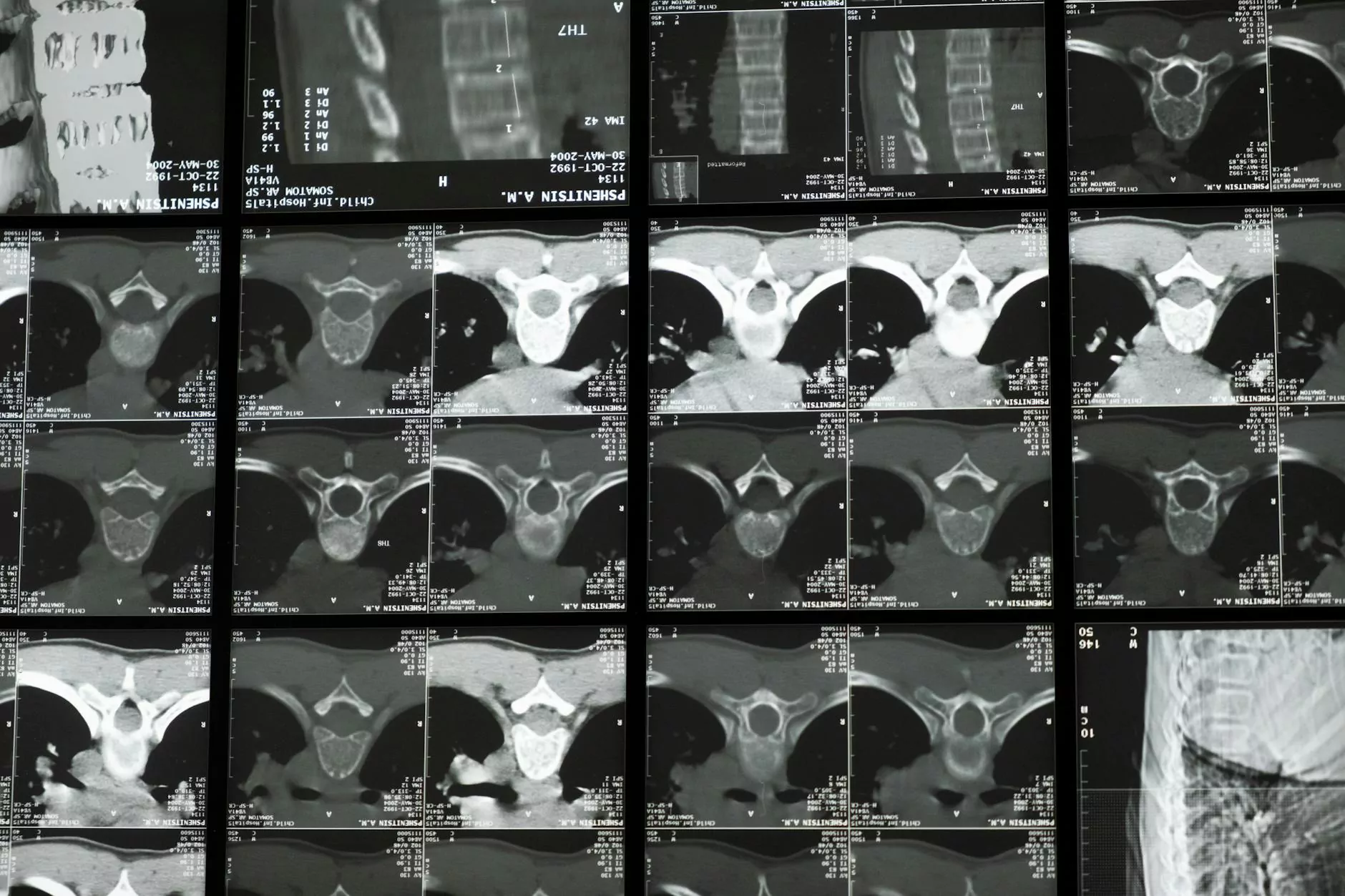
A lung CT scan—short for Computed Tomography scan of the lungs—is a sophisticated imaging technology that generates detailed cross-sectional images of your lung tissues. Unlike traditional X-rays, which provide a two-dimensional view, a CT scan produces highly detailed, three-dimensional visuals, enabling physicians to uncover subtle abnormalities and early signs of disease.
How a Lung CT Scan Works
The procedure utilizes X-ray beams combined with computer processing to produce multiple images (called slices) of the lungs. These slices are compiled to construct a comprehensive view of the lung anatomy. This process involves:
- Patient Positioning: The patient lies on a motorized table that moves through the scanner.
- X-ray Emission: The scanner emits a series of controlled X-ray beams around the chest area.
- Image Processing: The data collected is processed by advanced algorithms to generate detailed cross-sectional images.
- Image Analysis: Radiologists examine these images for anomalies such as tumors, nodules, infections, or structural damage.
Why is the Lung CT Scan Essential in Modern Medicine?
The significance of lung CT scans in medicine cannot be overstated. They offer unparalleled diagnostic capabilities that are critical for early detection, accurate diagnosis, and effective management of various pulmonary conditions. Some key reasons include:
Early Detection of Lung Diseases
Many lung diseases, including lung cancer, tuberculosis, and interstitial lung diseases, often show subtle early signs that conventional imaging might miss. A lung CT scan can identify these early indicators, substantially improving prognosis and treatment outcomes.
Precise Visualization of Lung Anatomy and Pathology
High-resolution images enable physicians to differentiate between benign and malignant lesions, assess the extent of damage, and plan targeted interventions. This precision is particularly crucial in cases requiring surgical or minimally invasive procedures.
Monitoring Disease Progression and Treatment Response
For chronic respiratory conditions, such as COPD or fibrosis, regular lung CT scans allow healthcare providers to monitor disease progression accurately and adjust therapies accordingly, leading to better management and quality of life.
Assist in Interventional Procedures
In complex cases, detailed imaging from CT scans guides biopsies, drainage procedures, or other minimally invasive interventions, reducing risks and increasing success rates.
The Role of Lung CT Scan in Sports Medicine and Physical Therapy
Within the scope of sports medicine and physical therapy, the lung CT scan plays a vital role in diagnosing sports-related respiratory injuries, assessing recovery, and optimizing performance. Athletes subjected to intense training may develop subtle lung issues like exercise-induced asthma or structural anomalies that can hamper their performance or lead to long-term health problems. A lung CT scan helps sports medicine specialists identify these issues early, enabling tailored rehab programs and safe return-to-play Plans.
Indications for a Lung CT Scan
Deciding when to undergo a lung CT scan involves considering various symptoms and risk factors. Common indications include:
- Coughing or Hemoptysis: Persistent coughs or blood-tinged sputum without clear cause.
- Unexplained Shortness of Breath: Especially if associated with other symptoms or risk factors.
- Suspected Lung Nodules or Tumors: Detected incidentally or via screening programs.
- History of Smoking or Exposure to Carcinogens: Increased risk of lung cancer or other pathologies.
- Monitoring of Known Lung Conditions: Such as COPD, pulmonary fibrosis, or previous infections.
- Evaluation Before Surgical Procedures: To delineate the anatomy and plan interventions accurately.
Quality and Safety Considerations in Lung CT Scan Procedures
Advancements in imaging technology have significantly enhanced the safety and efficacy of lung CT scans. Modern scanners use lower doses of radiation, adhering to strict safety standards to minimize risks, especially when multiple scans are required for ongoing monitoring.
At HelloPhysio.sg, all lung CT scans are performed using state-of-the-art equipment operated by experienced radiologists and technicians. This ensures high-quality images combined with patient safety and comfort.
Preparing for Your Lung CT Scan
Preparation involves minimal effort, but patients should follow specific instructions to ensure optimal results:
- Inform your healthcare provider: About allergies, pregnancy, or previous reactions to contrast agents, if used.
- Fasting: Usually not required, but follow specific instructions if contrast dye is involved.
- Remove Metal Objects: Such as jewelry or clothing with metallic components, to ensure clear imaging.
- Wear Comfortable Clothing: That is easy to change into the investigative gown if necessary.
Post-Procedure Care and Follow-Up
Post-scan, patients can typically resume normal activities immediately. The radiologist will analyze the images and prepare a detailed report for your healthcare provider. Depending on the findings, further tests or treatments may be necessary.
It is crucial to discuss your results with your doctor to understand the implications and next steps in your care plan.
Choosing the Right Facility for Your Lung CT Scan
Quality, safety, and accuracy are paramount. When selecting a medical provider, consider factors such as:
- State-of-the-art equipment: Modern scanners with low radiation exposure capabilities.
- Expert radiologists: Experienced professionals specializing in thoracic imaging.
- Integrated health services: Coordinated care between radiology, pulmonology, and physical therapy teams.
- Convenience and patient comfort: Accessible locations, flexible scheduling, and compassionate staff.
Why HelloPhysio.sg Stands Out for Lung Imaging and Respiratory Care
At HelloPhysio.sg, we are committed to providing comprehensive health & medical services that include advanced lung CT scan imaging within our sports medicine and physical therapy practices. Our team of experienced radiologists and respiratory specialists work synergistically to deliver accurate diagnoses and effective treatment plans, enhancing your overall well-being.
Conclusion: Embracing Advanced Imaging for Better Health
The lung CT scan remains a cornerstone of modern respiratory medicine, enabling clinicians to detect and manage lung diseases proactively. When combined with our specialized services in sports medicine and physical therapy, it provides a holistic approach to respiratory health, promoting early intervention, better recovery, and improved quality of life.
If you're seeking reliable, high-quality imaging services and expert care, HelloPhysio.sg is your partner in health. Our dedication to cutting-edge technology and patient-centered care ensures that your respiratory well-being is in capable hands.